A Sweet Treat For Lovers Of Kosher Wine


As a kosher wine lover, maybe you're shied away from harder alcohol for various reasons. You weren't sure if it was kosher, for one, and for another, maybe you like your drinks a little bit on the sweet side.

(Actually, kosher wine has come so far and gotten so good, it's been a long time since the term instantly brought to mind the sweet kosher wines of yesteryear--but I digress. Sweets for the sweet, is all I mean.)

If that first paragraph tugged at some yearning deep inside you, or even just piqued your interest, let me introduce you to your new best friend. This summer, be inseparable with Me Oko Vodka in strawberry flavor.


Me Oko is serious, hand-crafted vodka, but don't let that intimidate you. Richly accented natural infusions of strawberry make this Me Oko vodka the most approachable and tasty ever. One sip will alert your palate to something ultra-refined and truly different.

Me Oko is what those of us who love big natural flavors have been hoping for, a super-refined, multi-distilled vodka with very forward flavor notes and a long finish. It's kosher, as promised, and as a bonus, gluten-free!

Kosher Wine Tasting Tips: Sight, Smell, Touch, Taste


Although they seem one in the same, tasting a kosher wine isn’t the same as drinking it. It really experience the true flavor of a kosher wine, you have to really hone in on your senses. These senses are sight, smell, touch and of course, taste.

Sight: Look at the wine. Hold it up to the light. The best way is to tilt the wine in a glass and look at it against a white background.

Smell: To determine a kosher wine’s aroma, swirl the wine vigorously in the glass. As the wine coats the sides of the glass it releases its wonderful bouquet. At the top of the glass, they’re usually more fruity, and deeper into the glass they are richer and more woody.

Touch: No, not with your fingers—with your tongue. How does the wine feel in your mouth? Is it soft or brisk? Does it have a refreshing zing around your tongue? Tannins used in red wines will feel sort of prickly on your tongue. The ideal touch is a velvety feeling in your mouth.

Taste: Finally, after you’ve used your other sense your ready to taste. Take a small amount, swirl it in your mouth lightly so all your taste buds are exposed, then keep it there for a brief period. You can study the taste by comparing to what your other sense experienced and then either spit it out, or drink it so you can experience the finish. 

3 Kosher Wines on Sale You Must Try


What’s better than kosher wine? The answer is kosher wine that’s on sale! But this isn’t your average discount wine, the wines available at discounted prices are of the highest quality and are sure to please even the most pickiest of palates. Here are three different varietals available in the sale section at OnlyKosherWine.com:

Baron Herzog Late Harvest Chenin Blanc: Late harvest is usually an indication of dessert wine, because the grape has been left on the vine longer, allowing it fully ripen. This Chenin Blanc is full-bodied, sweet yet balanced and perfect for a hot summer day.

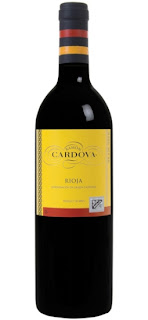
Ramon Cardova Rioja: Spain is famous for its Rioja wines and this Ramon Cardova is a wonderful example of this genre. It’s made from 100% Tempranillo grapes that were carefully selected from old vines that surround the town of Haro, La Rioja. This dry red is perfect for pairing with red meats, fish and soft light cheeses.

Weinstock Cella Select Chardonnay: This spectacular Chardonnay displays notes of citrus, apple, pear, and subtle tropical fruit with oak undertones. This kosher wine goes great with white meat dishes, or pasta dishes with light sauces. 

If You Can’t Get Enough Kosher Wine, Join the Kosher Wine Society


In the U.S. wine events are everywhere, bringing enthusiasts together to sip and sample quality vintages while enjoying each other’s company. Being that wine is an integral part of Jewish communal life, the founders of Kosher Wine Society found it odd that opportunities for members of the Jewish community to enjoy similar social, wine centered events really didn’t exist.That led to the start of KWS.

Founded in 2005, The Kosher Wine Society is a membership-based organization comprised of kosher wine enthusiasts from varying backgrounds, lifestyles and age-groups That all changed when KWS formed and they strive to create the best wine-centered social events. At KWS it’s all about tasting, comparing and discussing. 

It’s a great opportunity to meet people, try new wines and truly understand kosher wine in a way that many people really don’t get. The group hosts public as well as private kosher wine tastings, wine and food pairing dinners, wine workshops, fundraisers, corporate events, and Kerem New York—a monthly business networking event for members. Basic membership is free and doesn’t expire and a Drinkers & Tasters membership is $50 for a year. To read the more about KWS and the perks of membership, feel free to go to Kosherwinesociety.com.

Rogov's Guide to Israeli Wine is a Must-Have


The first way to learn about kosher wines from the region of Israel is to, obviously, taste them. The second way is to read about them. And when you do the two at the same time, you could very well become a kosher wine connoisseur. The perfect book to get all your Israeli wine facts is Rogov’s Guide to Israeli Wines, available at OnlyKosherWine.com. The book is the definitive guide to this world’s fastest growing region of quality kosher wines.

The guide is now in its fifth year of publication and every year, it only gets better. It contains detailed information on 175 wineries, a tasting chart where you can pencil in your own ratings, contact info for each winery listed, and almost 1,800 wines tasted and colorfully reviewed and described. The guide also noted which of the Israel’s extensive wines are indeed kosher wines and even goes into detail on what exactly makes a wine kosher. There is also an interesting discussion on whether there is a contradiction between quality wine and kosher wine. If you’re interested in visiting the region, there is even a chapter on tourism at the wineries and a guide to tasting wines. 

Sake at OnlyKosherWine.com


Sake has been around for nearly 2,000 years and up until about 20 years ago, was produced solely in Japan. Nowadays, you can find in around the corner from the kosher wine at the liquor store, as sake is immensely popular. As tradition, Sake is generally served as an aperitif before a meal. When serving sake as an aperitif, it is customary to use a serving set consisting of a small pitcher, and several small cups that look like little bowls.

Another fun fact about serving sake is that it’s traditional to serve others, you never serve yourself. The server holds the pitcher with both hands while the person receiving the sake holds their cup up with one hand and supports the bottom of the cup with the other hand. In many social settings, this tradition is observed in the first round of drinks. If you are drinking your sake warm, it’s customary to serve it in a ceramic set while if you’re drinking it chilled, you should serve it in a wooden set. In addition to drinking sake the traditional way, you can use it to craft delicious cocktails. Here’s a quick recipe:

Tokyo Rose
•        1 oz. sake
•        1 oz. vodka
•        1 oz. melon liqeur
•        1 cherry

Combine ingredients into a shaker with ice cubes and mix well. Strain into a cocktail glass and garnish with a cherry.


For some delicious flavored sake and all things kosher wine related, visit OnlyKosherWine.com!

Love Kosher Wine? Get a Soirée!


If you’re looking for the perfect gift for a kosher wine snob, or anyone who loves a nice glass of kosher wine, you should most definitely look into getting a wine Soirée. Most wine drinkers are familiar with wine decanters. They are a way to aerate your wine before serving to bring out maximum flavor and aroma. When wine is in the bottle it is hibernating in a sense and it needs oxygen to interact with the molecules and make the notes, flavors and aromas more pronounced and easy to detect.

However, a standard decanter just doesn’t compare to the Soirée in terms of maximizing aeration and enhancing your wine’s attributes. When you use a regular decanter, you have to wait 45 minutes for the wine to really open and oxidize, not to mention they are a little difficult to pour. Thanks to the unique design of the Soirée’s aeration chamber, the wine begins oxidizing as soon as you start to pour. No waiting necessary!  And the best part is, it fits securely into the bottle so pouring is a snap.

Decanting is actually a classical term that refers to removing sediment from wine. Thanks to modern wine, the sediment get’s filtered off, so in reality, the decanter isn’t specifically for aeration purposes. However, the Soirée was crafted specifically for oxidization and aeration.

So what are you waiting for? Head to OnlyKosherWine.com, pick up a nice bottle of Cabernet and a Soirée for maximum aeration!